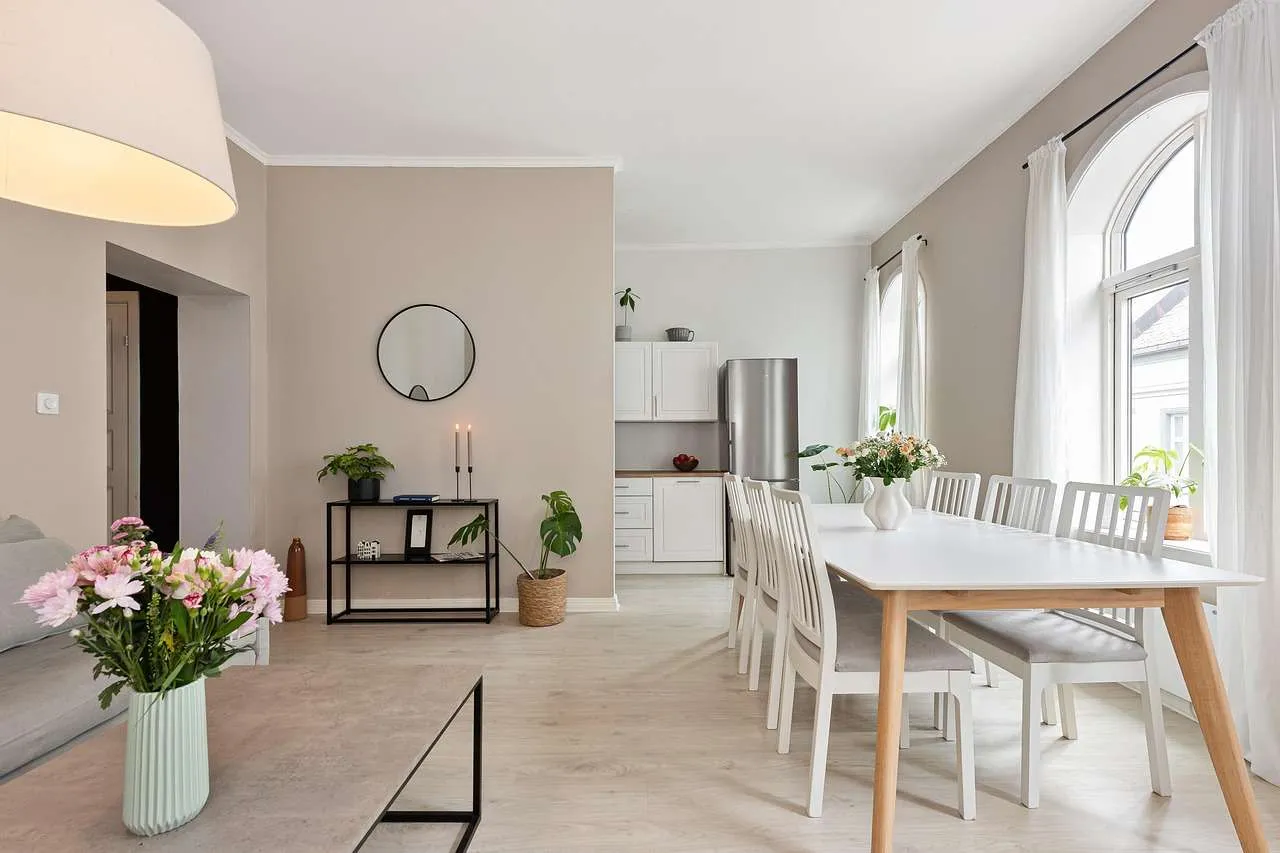
Home window tinting is a practical upgrade for residential spaces that blends comfort, privacy, and energy efficiency. Modern window films come in a range of shades and tech layers, designed to reduce heat, block UV rays, and protect interiors from fading. When done by a skilled installer, home window tinting can improve living conditions while keeping a home looking clean and stylish.
Benefits of Home Window Tinting
Quality film delivers several advantages: reduce heat gain in summer, which lowers cooling demand; block up to 99% of UV rays to protect furniture and skin; reduce glare on screens and in rooms with bright sunlight; add a layer of safety by holding shattered glass in place in case of impact; and enhance privacy without heavy drapes. Depending on the film and the home, you may also experience noticeable energy savings and longer HVAC system life.
Tint Types for Homes
Dyed Window Tint
Dyed films are among the most budget friendly options. They absorb heat and provide a natural tint that reduces glare. The drawback is lower durability; over time the dye can fade or become discolored, and they offer less UV protection than advanced films.
Metalized Window Tint
Metalized or metallized films reflect sunlight before it enters, delivering strong heat rejection and extra shatter resistance. They can interfere with electronics or compass signals if installed on certain windows and may appear reflective from the outside at certain angles. They are typically mid priced.
Ceramic Window Tint
Ceramic films use nonconductive particles to deliver excellent heat rejection without metal. They stay non reflective, preserve natural window clarity, and work well with modern glazing. The tradeoff is higher cost and the need for professional installation for best results.
Carbon Window Tint
Carbon films offer solid heat rejection, a low reflectivity, and a rich, neutral appearance that does not fade easily. They tend to sit in the mid to upper price range and are a good all around choice for most homes.
Choosing a Professional vs DIY
Professional installation ensures even film adhesion, proper pre cleaning, and warranty coverage. Trained installers understand local building codes and best practices for multi pane and low emissivity windows. DIY kits exist but require careful surface prep, precise cutting, and equipment for safe handling. For best EEAT outcomes, hire a licensed installer with recent customer reviews and a transferable warranty.
Energy Savings and Comfort
In many climates, film reduces cooling loads by a meaningful margin, typically in the 5 to 15 percent range, depending on window orientation and building envelope. UV protection remains a constant benefit across film types, helping preserve interior fabrics and furniture. Keep in mind that tinting should be balanced with daylight needs and exterior aesthetics to maintain a bright, livable home interior.
Local Laws and Home Design Considerations
Local regulations govern permissible tint darkness especially on front windows and side doors. A reputable installer will confirm the allowed VLT (visible light transmission) range in your area and ensure compliance. Homeowners should also consider curb appeal and architectural style when selecting a tint shade.
Maintenance and Longevity
Clean films with soft cloths and a mild soap solution; avoid abrasive materials or ammonia based cleaners that can degrade films over time. Periodic inspection helps catch edge peeling or bubbles early, allowing for reseal or warranty service without damaging interior finishes.
Comparison of Tint Types
| Tint Type | Pros | Cons | Typical VLT | Estimated Cost |
|---|---|---|---|---|
| Dyed | Budget friendly; glare reduction | Fade over time; moderate UV | 20–40% | $2–$4 per sq ft |
| Metalized | Strong heat rejection; added strength | Potential electronics interference; visible reflectivity | 15–35% | $3–$5 per sq ft |
| Ceramic | Excellent heat rejection; non reflective | Higher cost | 40–70% | $6–$10 per sq ft |
| Carbon | Good heat rejection; non glare | Mid to high price | 30–60% | $5–$8 per sq ft |
Note Prices vary by product line, window size, and local labor rates. The table above provides common ranges to help homeowners compare options.
Conclusion
Summary: Home window tinting delivers comfort, energy savings, UV protection, and privacy when paired with the right product and professional installation. This guide covered benefits, tint types, selection tips, maintenance, and a quick comparison to help homeowners choose confidently.